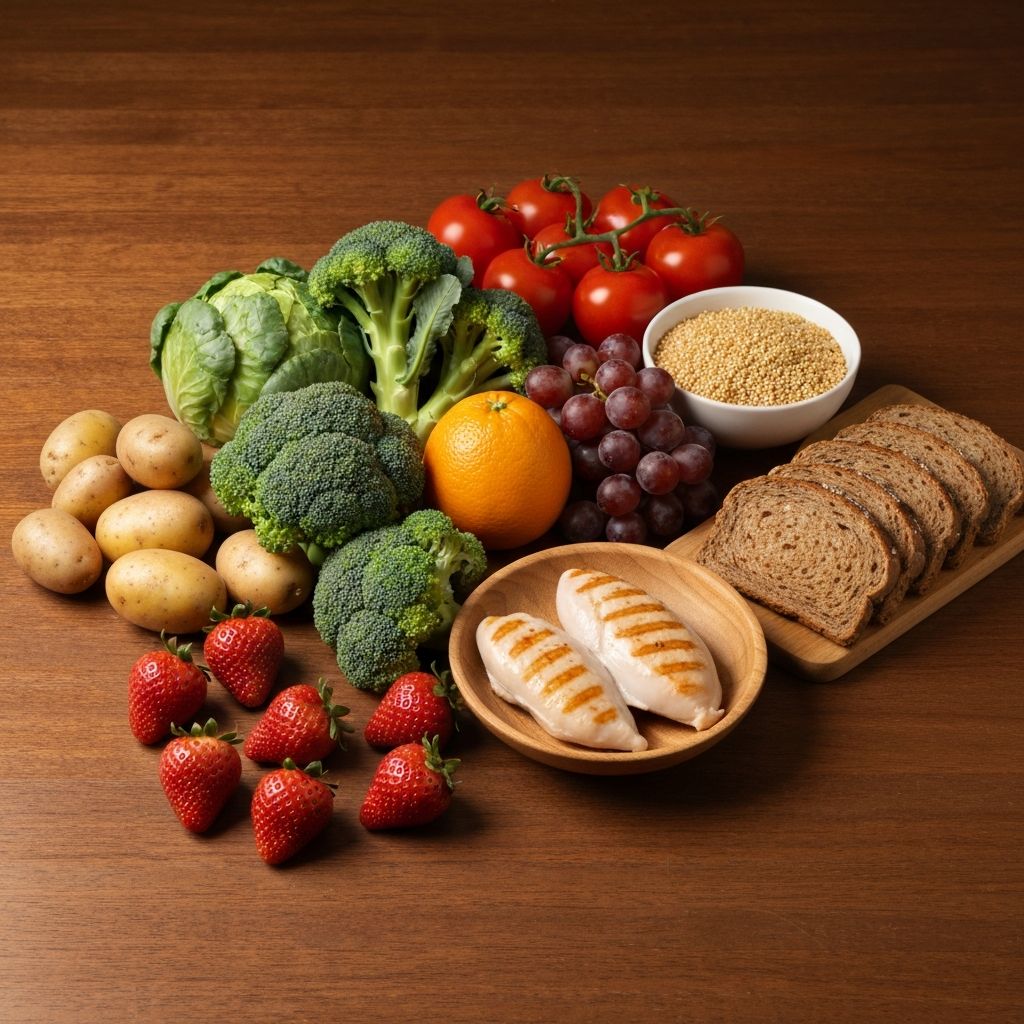
The Concept of Dietary Variety
Dietary variety refers to the inclusion of different types of foods in eating patterns. Educational materials on nutrition often discuss this concept, describing how people incorporate various foods into their regular routines.
Different Types of Food Diversity
Variety in food selection can take different forms. Some people focus on including different types of vegetables and fruits, while others consider variety across broader food categories such as proteins, grains, and dairy products. Cultural backgrounds often influence which specific foods are considered and how they are prepared.
The concept of variety also relates to characteristics such as color, texture, and preparation method. Educational resources sometimes describe how different colors in produce can indicate different nutrient profiles, though specific recommendations should come from qualified professionals.
Seasonal and Regional Factors
The types of foods available to individuals vary based on geographic location, season, and local food systems. What constitutes variety may differ significantly in different regions and at different times of year. Many people adjust their food selection patterns based on seasonal availability and regional preferences.
Cultural and Personal Preferences
Cultural traditions, personal taste preferences, and individual experiences all influence how people approach food variety. Some cuisines traditionally emphasize certain types of variety, while others may focus on different aspects of food selection. Personal preferences play a significant role in determining which foods individuals regularly include in their diets.
Practical Considerations in Food Selection
Various practical factors influence food variety, including budget constraints, cooking skills, time availability, and storage capabilities. The way individuals balance these factors with their interest in dietary variety differs from person to person.
Familiarity with different foods also affects variety. Some people regularly try new foods, while others prefer to work with familiar items. Both approaches can be part of varied eating patterns depending on how individuals combine and prepare their food selections.
Educational Perspectives on Balance
Nutritional education often discusses the concept of balance alongside variety. Different foods provide different nutrients, and educational materials describe how eating patterns that include multiple food types provide access to a broader range of nutritional components. However, specific guidance should come from qualified professionals rather than general educational resources.
Educational Context and Limitations
This article provides general educational information about food variety concepts. It does not constitute nutritional advice or recommendations for specific individuals.
Appropriate food choices vary greatly depending on individual circumstances, health status, cultural background, preferences, and many other factors. This content is informational only and does not replace consultation with qualified healthcare providers or registered dietitians.
We do not make claims about health outcomes, benefits, or optimal approaches for any particular individual. This is educational content only, not professional advice or guidance.
Additional Learning Resources
This article is part of our educational series on grocery shopping and food selection concepts. To explore related topics, you may wish to read our other articles on planning grocery trips and organizing shopping lists.